
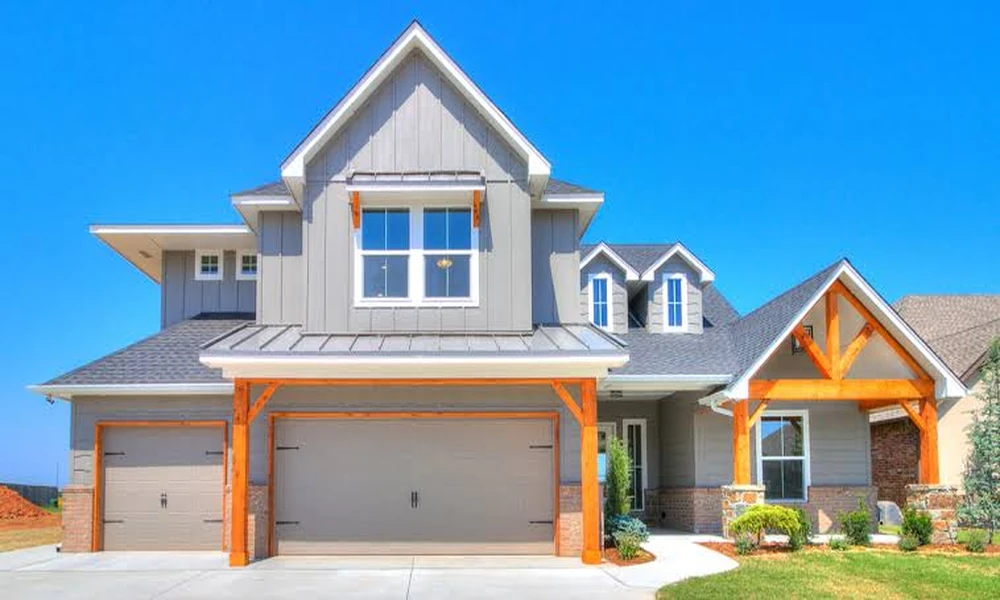
Designing a successful spec home requires more than selecting an attractive exterior and adding fashionable interior finishes. Builders must create a property that appeals to likely buyers, supports everyday living, and fits the financial realities of the local market. Because spec homes are constructed without a specific buyer committed at the beginning, design decisions must be based on research rather than the preferences of one individual.
Modern buyers may prioritize different features depending on their household size, budget, location, and lifestyle. A practical design process helps builders identify common needs and translate them into a home that is comfortable, functional, and competitive.
Start With Research Into the Target Market
Before selecting a floor plan, builders should determine who is most likely to purchase the property. Potential buyers may include first-time homeowners, growing families, professionals, downsizers, or people relocating to the area.
Each group may have different expectations. First-time buyers may value practical space and manageable maintenance. Families may prioritize bedrooms, storage, outdoor areas, and convenient access to schools. Professionals may appreciate flexible workspaces, efficient layouts, and proximity to employment centers.
Builders can investigate local listings, recent sales, neighborhood characteristics, and competing developments to understand which features are common in the intended price range. Conversations with real estate professionals and feedback from previous buyers can provide additional insight.
The goal is not to follow every design trend. It is to identify features that solve real problems for likely customers and fit the location, budget, and expected selling price.
Choose a Functional Floor Plan
The floor plan shapes how a home feels and functions. Buyers may be attracted to stylish finishes, but they also need rooms that support everyday routines.
Living areas should provide enough space for normal activities without creating unnecessary unused areas. Kitchens should offer practical work surfaces, appropriate storage, and convenient access to dining or living spaces. Bedrooms should provide privacy, while bathrooms should be easy to use and maintain.
Flexible rooms can also make a property more appealing. A spare bedroom might function as a home office, study room, guest space, or hobby area. Designing for more than one possible use can broaden the pool of potential buyers without adding excessive square footage.
Circulation deserves careful attention. Hallways, doorways, stairs, and connections between rooms should support comfortable movement. A home with an efficient layout may feel more spacious than a larger property with poorly planned spaces.
Balance Style With Broad Appeal
Spec homes are usually designed for a market rather than a single owner. This makes broad appeal important when choosing colors, materials, fixtures, and architectural details.
Neutral finishes can provide a flexible backdrop for different furniture styles and personal preferences. This does not mean every room must look plain. Builders can create visual interest through texture, lighting, carefully selected accent materials, and balanced design details.
Exterior appearance matters as well. The façade, roofline, landscaping, entrance, and driveway contribute to the first impression. The design should complement the surrounding neighborhood while giving the home a distinctive and well-maintained appearance.
Trends should be considered carefully. Some popular features may become dated quickly or add costs that buyers in the target market are unwilling to pay. Builders should focus on design choices that are likely to remain useful and attractive over time.
Prioritize Storage and Everyday Convenience
Storage can strongly influence how practical a home feels. Buyers need places for clothing, cleaning supplies, kitchen equipment, seasonal items, and everyday belongings.
Builders can incorporate bedroom closets, kitchen cabinetry, pantry space, bathroom storage, and utility areas according to the property’s size and price range. Thoughtful storage planning can reduce clutter and make rooms easier to use.
Convenience also includes the placement of electrical outlets, lighting controls, laundry areas, and frequently used appliances. These details may receive less attention than decorative finishes, but they affect daily comfort.
A good design considers how people actually use the home rather than focusing only on how it will appear in photographs.
Incorporate Energy Efficiency and Practical Technology
Modern buyers may pay attention to operating costs, indoor comfort, and energy consumption. Builders can consider appropriate insulation, efficient windows, LED lighting, and suitable heating and cooling systems based on local climate and building requirements.
The right measures depend on the project budget and regional conditions. Builders should evaluate performance, installation costs, maintenance requirements, and the potential benefits to future occupants.
Technology should be included for a clear reason. Reliable internet infrastructure, useful security provisions, and straightforward smart-home controls may be attractive. Complicated systems that are expensive to maintain or difficult to use may offer less value than expected.
Energy and technology features should be described accurately in marketing materials. Builders should avoid making savings or performance claims that cannot be supported by the actual specifications.
Select Materials With Durability in Mind
Material selection affects the appearance, maintenance requirements, construction budget, and long-term condition of a spec home.
Builders should consider durability, ease of cleaning, availability, installation quality, and replacement costs when selecting flooring, countertops, fixtures, roofing, and exterior materials. A low initial price may not represent good value if the material wears quickly or requires frequent repairs.
Consistent specifications can help builders control costs across multiple projects. However, material choices should remain suitable for the property and its intended market. A finish that works well in one price range may be inappropriate in another.
Working with reliable suppliers and qualified tradespeople can also help maintain quality. Materials alone do not guarantee a good result; correct installation and construction oversight are equally important.
Design Within a Realistic Budget
Every design choice affects the project’s financial performance. Builders need to balance the cost of construction with the price buyers are likely to pay.
A useful approach is to separate essential features from optional upgrades. Essential items include sound construction, a functional layout, appropriate building systems, and compliance with applicable regulations. Upgrades may include premium appliances, elaborate landscaping, luxury fixtures, or specialized technology.
Builders should estimate the cost and likely buyer value of each major feature before making a commitment. Spending more does not always result in a higher sale price.
Financial planning should also account for land, permits, professional services, financing, insurance, marketing, and holding costs. Those evaluating spec home construction should understand that the project’s success depends on the complete financial picture, not design quality alone.
Present the Home Effectively
Even a well-designed home needs effective presentation. Professional photographs, accurate floor plans, clear feature descriptions, and organized viewing arrangements help buyers understand what the property offers.
Staging can demonstrate how rooms might be used, but marketing should accurately represent the finished property. Any upgrades shown in photographs should be identified if they are not included in the asking price.
Builders should also be prepared to answer questions about materials, warranties, energy features, appliances, and completion status. Clear information helps potential buyers compare the home with other options.
Conclusion
Builders attract modern buyers by combining market research with functional layouts, broad visual appeal, useful storage, appropriate energy features, durable materials, and realistic budgeting. The most successful design choices are those that improve everyday living while matching the needs and financial expectations of the intended market.
A spec home should not be designed solely around trends or the builder’s personal preferences. It should offer a balanced combination of quality, comfort, practicality, and value. By planning carefully and understanding local demand, builders can create properties that appeal to buyers while supporting sustainable project outcomes. Resources from builderfinance.com can also help builders consider the financial factors behind successful speculative homebuilding.


